
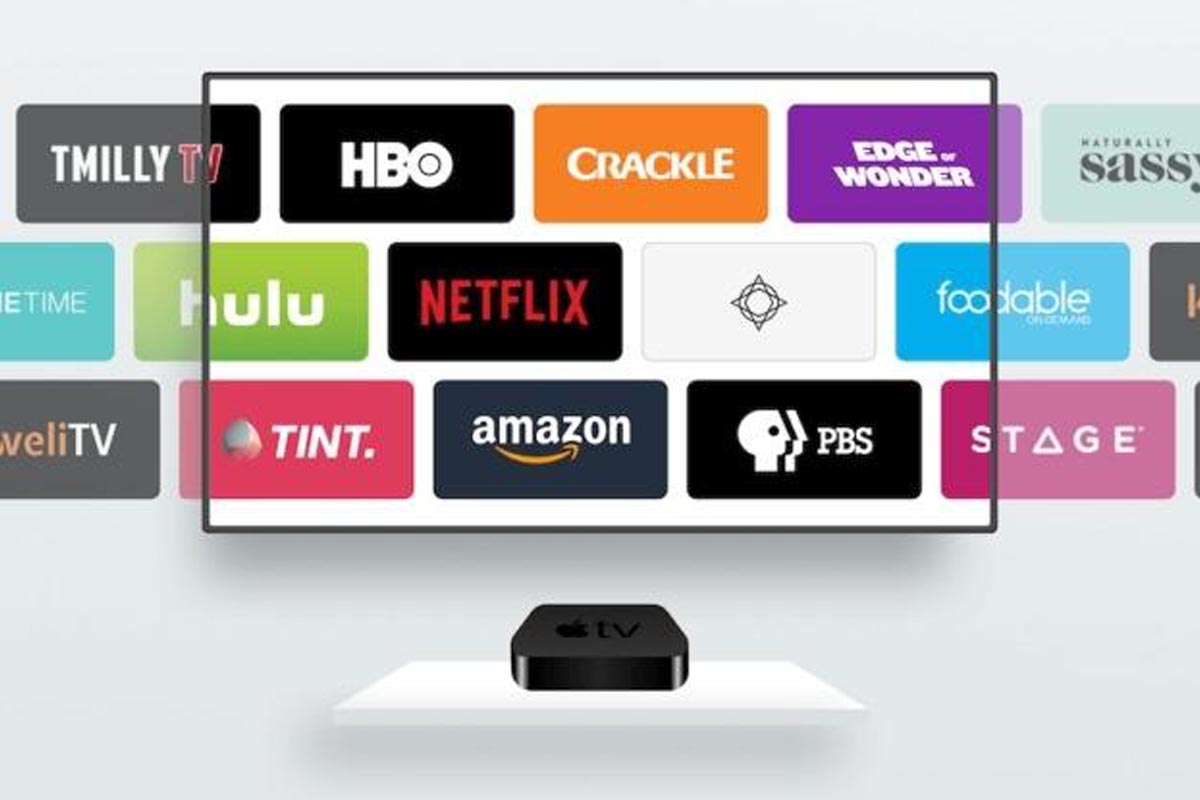
The battleground of entertainment in India has moved — from multiplexes, Saturday-night premieres and TV serials to phone screens, content-hungry apps and personalized playlists. The explosion of Over-the-Top (OTT) platforms over the last few years has fundamentally changed how we consume stories. But there’s a growing downside: the fierce competition — the “OTT wars” — is quietly fragmenting fandom culture in India.
From shared serial-mania to isolated streaming
There was a time when millions of Indians — from cities to small towns — watched the same TV shows on the same day; families gathered around a television to catch episodes of popular serials. That unity made fandom a collective ritual. But now:
- OTT platforms let you watch “on demand, anytime, anywhere” — so shared live view-times are vanishing.
- With dozens of platforms offering different shows, there’s a fragmentation of what people watch: someone binge-watches a gritty web-series on one app, while a friend is watching a romantic drama on another. Rarely do their viewing paths align.
- As content becomes democratized across languages and genres, the “common conversation starter shows” that united audiences are fading. You no longer have cross-country phenomena that everyone watches simultaneously.
In short: what once created collective attention and shared fandom is now splintered.
(Source: Exchange4media)
Diversity rose — but so did content overload
One of the strengths of the OTT boom is diversity. Today, Indian viewers have access to regional content (in Marathi, Tamil, Bengali, etc.), global shows, indie films, documentaries — all at their fingertips.
This opens up space for niche interests, deeper stories, and more creative freedom. Great for art and exploration.
But the flip side: the sheer volume of content means attention is diluted. Every week brings a new “must-watch” series, a new film drop, new trailers, new buzz. The mental bandwidth to follow each properly is shrinking. The consequence — if you follow culture as a viewer or creator — is thin engagement: people watch, forget, move on. Without time to re-watch, debate, or deeply connect, the intensity of fandom cools down.
(Source: Jcoma.com)
The “App-Switch” Syndrome — fandom becomes transactional
Because OTT platforms compete for every eyeball, content is often created and marketed in a way that encourages quick consumption: intense first 2–3 episodes, bold hooks, shock value, bingeable formats.
This results in a viewing culture that’s:
- Instant and impulsive: we watch a trailer, click “play”, finish without expectation of investment.
- Disposable: once done, we move on — seldom wait, re-watch, or archive.
- Fragmented across apps: fandom loyalty shifts based on where content sits, not on characters or story arcs.
Instead of building long-term fandom around creators, characters or worlds — people build loyalty to apps or to convenience.
(Source: Reasearch Gate)
What this means for storytelling, creators, and films
As someone aspiring to make grounded, raw, cinematic stories — you need to understand this shift:
- It’s harder to build long-lasting fandom: Because audiences are always on to the next show, building a cult following or fanbase requires either brutal consistency or extremely strong hooks.
- The pressure to deliver instant gratification is high: Slow burns, layered narratives, ambiguous endings — these tend to get drowned in the sea of “fast content.” Originality may get sacrificed for immediacy.
- Legacy cinema and long-term narrative forms suffer: Big screen releases, nuanced character arcs or multi-part storytelling now compete with binge-series and short-format content for audience mindshare.
(Source: Connect Civils)
What might salvage fandom culture — but requires change
For fandom culture to survive — or evolve meaningfully — three things need to happen:
- Creators push for deeper connection, not just shock-and-binge hooks: Make stories that reward patience, invite re-watching, encourage discussions rather than ephemeral thrills.
- Platforms rethink promotion cycles: Rather than bombarding users weekly with new releases, platforms could stagger content, invest in community building — watch parties, forums, regional fan-engagements — to revive shared experiences.
- Audiences consciously champion long-form or re-watchable content: Treating stories as disposable hits undermines their long-term cultural value. Viewers need to demand and support depth.
(Source: Jcoma.com)
Final Word: The Price of Choice
OTT wars brought us variety, freedom, and accessibility. But they also scattered us — as viewers, fans, and storytellers. The question that remains is: will we trade collective cultural memory for content overload?
If you hope to build stories that endure — not just flicker — it’s time to ask: Can you write for longevity in an age that chooses speed?

