

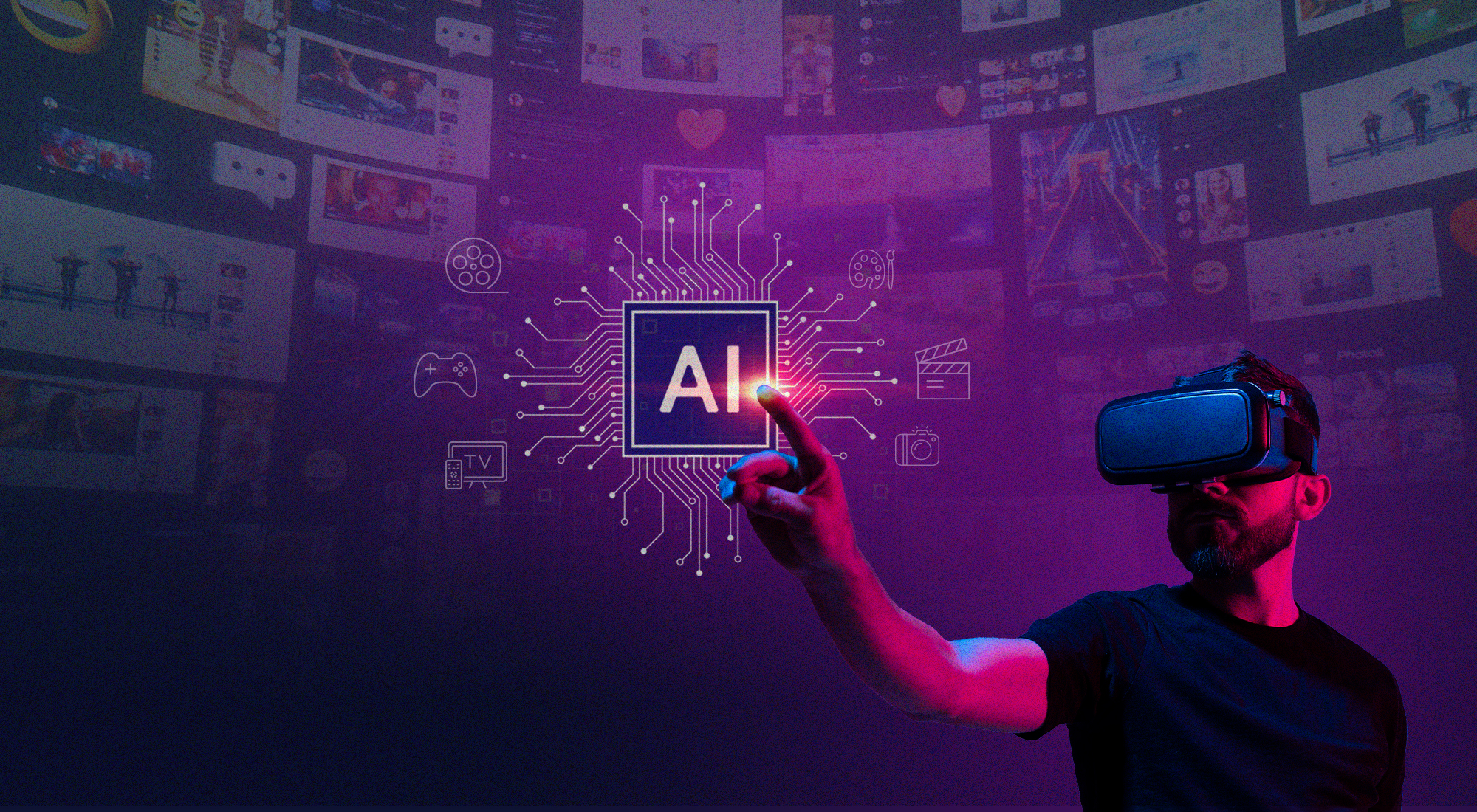
Hollywood studios are accelerating their investment in AI-assisted visual effects technologies as the 2026 production calendar expands with a high volume of action, sci-fi, and fantasy titles. The shift reflects a broader industry trend toward combining traditional VFX craftsmanship with emerging machine-learning tools to streamline production timelines.
According to production managers and VFX supervisors, AI is now being used primarily for pre-visualisation, automated rotoscoping, background generation, lighting simulations, and crowd replication. These tools help reduce repetitive manual work, allowing artists to focus on creative design, complex animation, and high-detail finishing.
Studios emphasize that human oversight remains central to all major VFX decisions. AI is functioning as a supporting technology, not a replacement for artistic teams. Supervisors note that every AI-generated element is reviewed, modified, or rebuilt by lead artists to maintain accuracy, originality, and continuity with a director’s vision.
Industry analysts report that the adoption of hybrid pipelines is also driven by rising production costs and growing demand for visually rich storytelling. With multiple 2026 blockbusters already in advanced planning stages, studios expect AI-supported workflows to help stabilize budgets and meet tighter delivery schedules.
VFX houses in North America, Europe, and Asia have begun expanding their infrastructure to accommodate this shift, with several studios launching internal training programs to help artists use the new tools effectively.
As Hollywood prepares for its 2026 slate, experts believe AI-assisted VFX will play a significant role in shaping the next era of big-screen visuals enhancing efficiency while preserving the creativity that defines modern filmmaking.

