

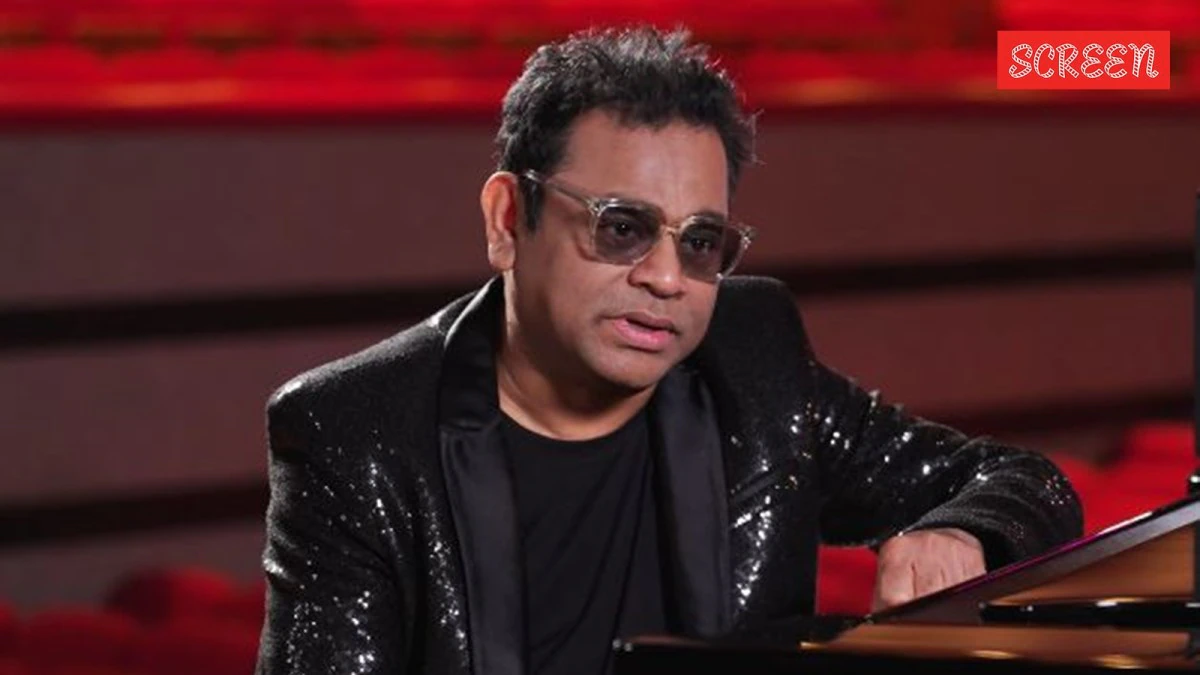
Oscar-winning composer A.R. Rahman has recently found himself at the centre of a heated debate after making candid remarks about Vicky Kaushal’s historical drama Chhaava and the Hindi film industry — remarks that many interpreted as critical, sparking backlash, defence, and broad discussion about art, politics and creative expression in Indian cinema.
What Rahman Actually Said
In a recent interview with BBC Asian Network, Rahman was asked about his involvement in the Chhaava soundtrack, even though the film generated debate among audiences and critics. Rahman described Chhaava as “divisive” and felt that parts of the film leveraged that divisiveness, even though, as he put it, Chhaava’s core was about bravery and honouring history.
He also spoke more broadly about creative decision-making in the Hindi film industry, suggesting that over the past eight years “people who are not creative have the power now”, and hinting that this shift may have contributed to fewer offers coming his way — which some interpreted as a comment on community or industry bias.
Clarifications and Apologies
After his remarks went viral and drew public criticism, Rahman took to social media to clarify that he never intended to hurt anyone’s sentiments and reaffirmed his love for India and its diverse artistic landscape. In his video statement, he celebrated his journey and expressed gratitude for the opportunities music has given him, emphasising that his comments were not meant to be divisive.
Public Backlash and Reactions
The reactions were swift and varied. On social media, some users labelled Rahman’s remarks “hypocritical”, questioning why he worked on Chhaava if he felt it was divisive. Others went further, calling for his removal from projects like Ramayana — where Rahman is collaborating with Hans Zimmer — simply because of his comments about Chhaava.
Prominent actors have weighed in too. Actress Kangana Ranaut publicly criticised Rahman on Instagram, calling him “prejudiced and hateful” and alleging he declined to meet her about scoring music for her film Emergency. Her remarks added fuel to the controversy, turning it into a broader debate about professional choices and personal ideology in the industry.
Support and Defence from Peers
Not all voices have been critical. Lyricist Varun Grover defended Rahman, rebuking the harsh online reactions and calling him “the greatest living composer” who was unfairly attacked for simply expressing a personal perspective.
What It’s Really About
At its core, the controversy isn’t simply about Chhaava or Rahman’s description of it; it has become a flashpoint for larger conversations about:
- Artistic freedom vs political interpretation
- How historical films are framed and received
- Changes in industry dynamics and creative power structures
- Public expectations of celebrities to stick to non-controversial statements
Rahman’s experience shows how even seasoned artists can face intense scrutiny when they step outside purely artistic commentary to touch on sociocultural or industry realities — especially when their words are shared out of context or without nuance.
Final Take
The Chhaava controversy highlights the tightrope public figures walk when discussing sensitive cultural material. A.R. Rahman’s original comments on Chhaava being “divisive” and his perception of industry shifts sparked debate not simply because of what he said, but because people read deeper social and political meanings into every word. The ongoing dialogue underscores how deeply audiences care about representation, creative intent and how cinema intersects with cultural narratives.

