

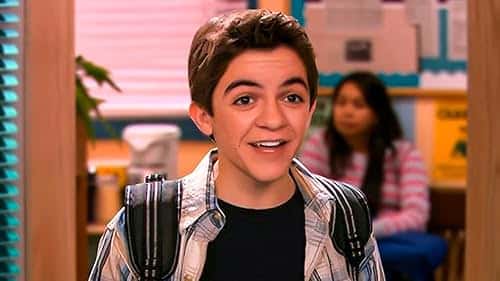
A viral video of Tylor Chase, the former child actor best known for his role as Martin Qwerly on Ned’s Declassified School Survival Guide, revealing him living on the streets of Riverside, California has shocked fans and reignited discussions about mental health, the challenges faced by former child actors, and how society responds to those in crisis.
Who Is Tylor Chase?
Tylor Chase (born September 6, 1989 in Arizona) rose to fame in the early 2000s with his recurring role as Martin Qwerly in the Nickelodeon series Ned’s Declassified School Survival Guide, which aired from 2004 to 2007. He also appeared in shows like Everybody Hates Chris and in the 2007 film Good Time Max, and lent his voice in the video game L.A. Noire.
After his early work in entertainment, his public profile faded as he stepped away from acting.
(Source: Wikipedia)
Viral Video and Current Situation
In a TikTok video that originally circulated in September 2025 and has resurfaced widely online, Chase — now 36 — is shown living in a visibly distressed and unhoused state on the streets of Riverside, California. In the footage, he is seen answering questions from passersby, identifying himself as the former Nickelodeon actor, and speaking candidly about his identity.
The clip rapidly gained attention on social platforms, prompting emotional responses from longtime fans who were saddened to see someone they once recognized on television in such a difficult situation. (Source: New York Post)
Reactions from Fans and Former Co-Stars
The viral video has drawn widespread concern from fans and peers alike. Many viewers expressed heartbreak and frustration — not just at Chase’s condition, but at the act of filming someone in a vulnerable crisis rather than offering direct help.
Chase’s former Ned’s Declassified co-stars Devon Werkheiser, Daniel Curtis Lee, and Lindsey Shaw addressed the situation during an episode of their Ned’s Declassified Podcast Survival Guide, expressing sadness, surprise, and a desire to help. They reaffirmed that while they want the best for him, ensuring meaningful, long-term support is far more important than short-lived gestures.
(Source: The Economic Times)
Family Response and Mental Health Struggles
After the September video sparked concern, a GoFundMe campaign was launched to help Chase. It raised more than $1,200 before his mother requested that it be taken down, explaining that her son needs medical care and structured support rather than financial donations alone. According to reports, Chase’s mother emphasized that he refuses medical help and struggles to manage money, phones, and medication on his own. (Source: The Economic Times)
Some outlets report that Chase has struggled with bipolar disorder, a factor that has added complexity to his situation and may have contributed to ongoing difficulties in his life post-stardom. (Source: Hungama Express)
Why This Matters
The heartbreak around Tylor Chase’s current condition reflects a broader concern: many former child actors face identity challenges, mental health struggles, and lack of support once they leave the spotlight. His case has prompted conversations about:
- Mental health awareness and access to care for individuals in vulnerable situations.
- The responsibilities of fans, media, and society when someone’s distress becomes public.
- Long-term support systems for child actors whose lives change drastically after early success.
Final Thought
Tylor Chase’s story — from recognizable child star to someone seen struggling on the streets — is sobering for fans and the entertainment community alike. It serves as a reminder that fame doesn’t always guarantee stability or support, and that compassion, understanding, and proper care matter more than ever for individuals facing life-altering hardships.
If you or someone you know is struggling with mental health challenges or homelessness, reaching out to local support services can make a meaningful difference.

